March 13, 2016 | Captains bLOG | Author: Captain Rob
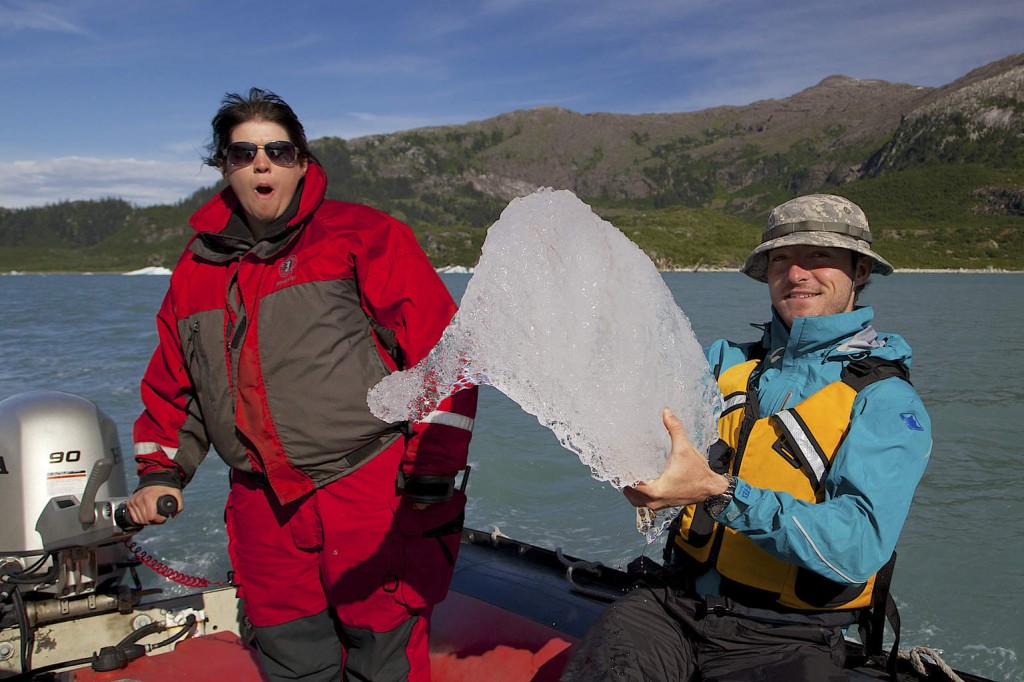
While exploring Alaska, you might just find yourself face-to-ice with some floating ice chunks—commonly known as icebergs. Now, if you’re feeling particularly scientific, you should know that to earn the prestigious title of “iceberg,” an ice chunk must flaunt at least 15 feet of ice above the water’s surface. So, if you spot one that looks like a fridge on a diet, it just might not qualify!
Ice chunks range in size from bigger than a house to the size of a basketball.
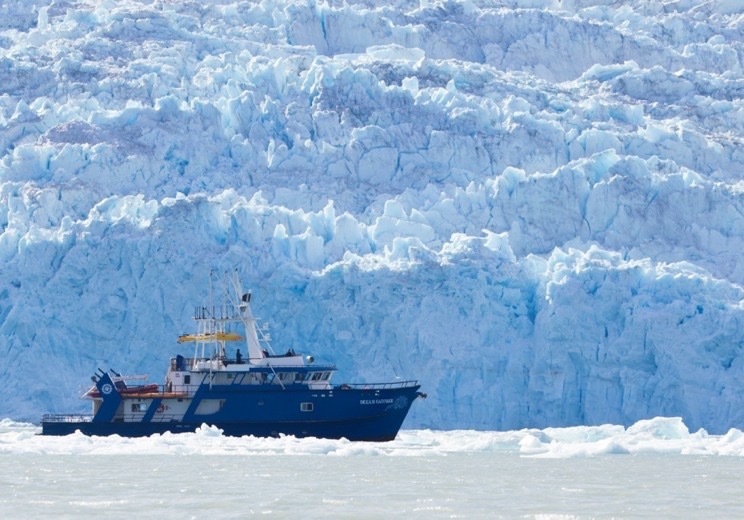
So what are the different sizes of ice chunks called?
- < 3 feet above the surface: brash ice
- 3-7 feet above the surface: growlers
- 7-15 feet above the surface: berry bits
- > 15 feet above the surface: icebergs
How much of an iceberg do we really see? Well, in fresh water, about 10% of the iceberg is playing peek-a-boo above the water! In salt water, those frosty chunks are feeling extra buoyant, with around 15% of their icebergs on display. Blame it on salt water being heavier than fresh—like that friend who thinks they can carry more snacks than they really can! The kicker? A whopping 85% of the iceberg is doing the invisible dance below the surface. It’s kind of mind-boggling to think about how much frosty real estate is hidden down there! If you want to dive deeper into iceberg mysteries, check out National Geographic’s page on icebergs, and get ready to be amazed! http://education.nationalgeographic.org/encyclopedia/iceberg/



 Alaskan Dream Ventures
Leave a comment